Health Coalition urges premiers to join national pharmacare plan
New Brunswick Premier Susan Holt says her province is in negotiations with the federal government to join the national universal pharmacare program.
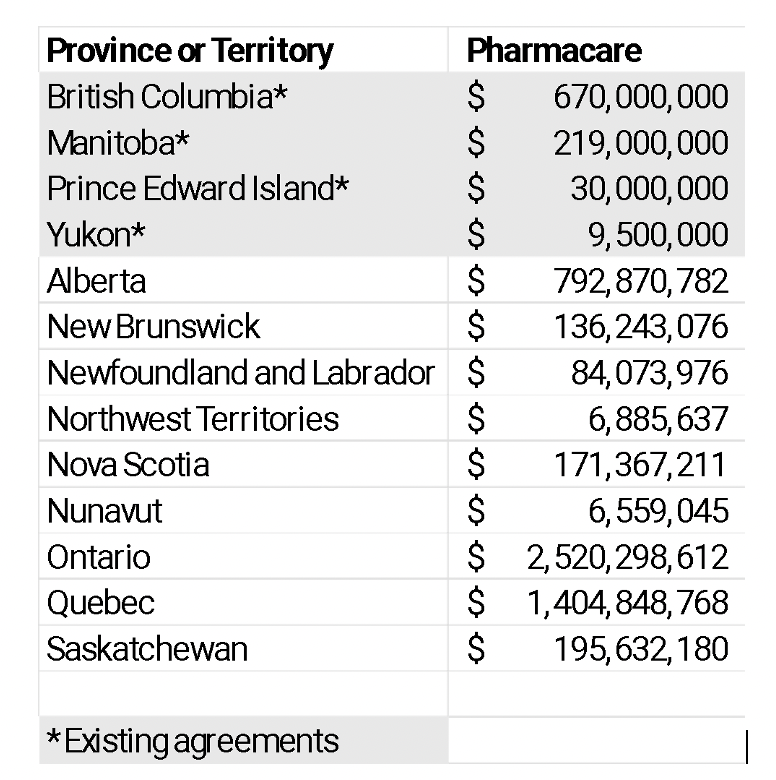
If successful, residents could benefit from free contraceptives and diabetes medications, making New Brunswick the fifth jurisdiction to join the important expansions of Medicare. According to a study published by the Canadian Centre for Policy Alternatives (CCPA), New Brunswick could receive $136 million over four years.
Nine months after the Pharmacare Act (C-64) received Royal Assent on October 10, 2024, four provinces and territories have signed bilateral agreements with the federal government valued at $928 million over four years starting in 2026.
Health Coalition discusses pharmacare with premiers at annual Council of the Federation
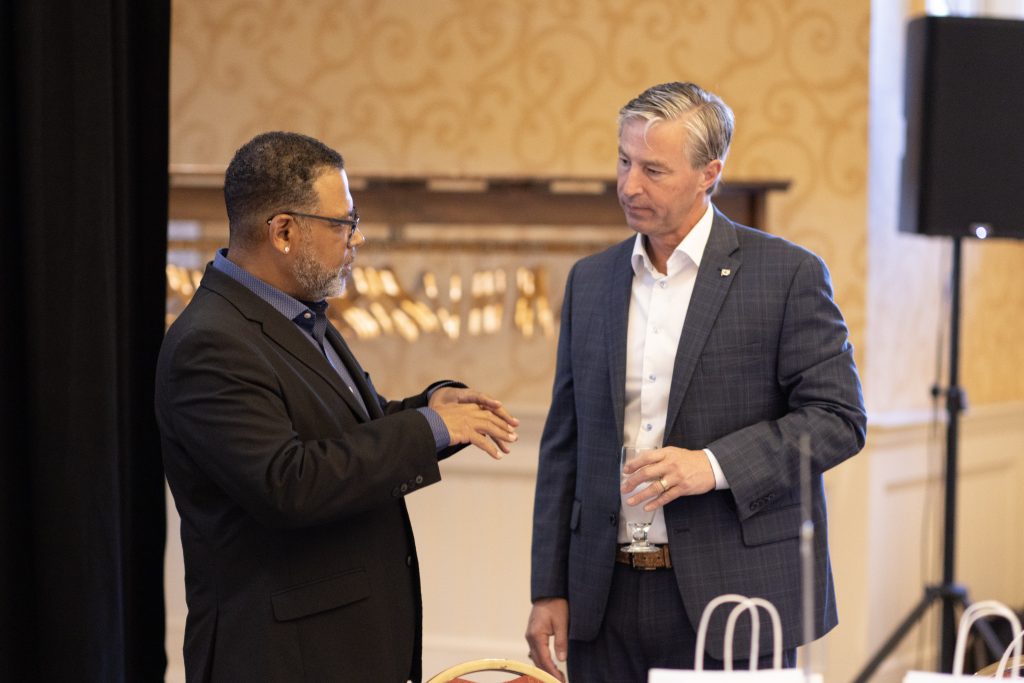
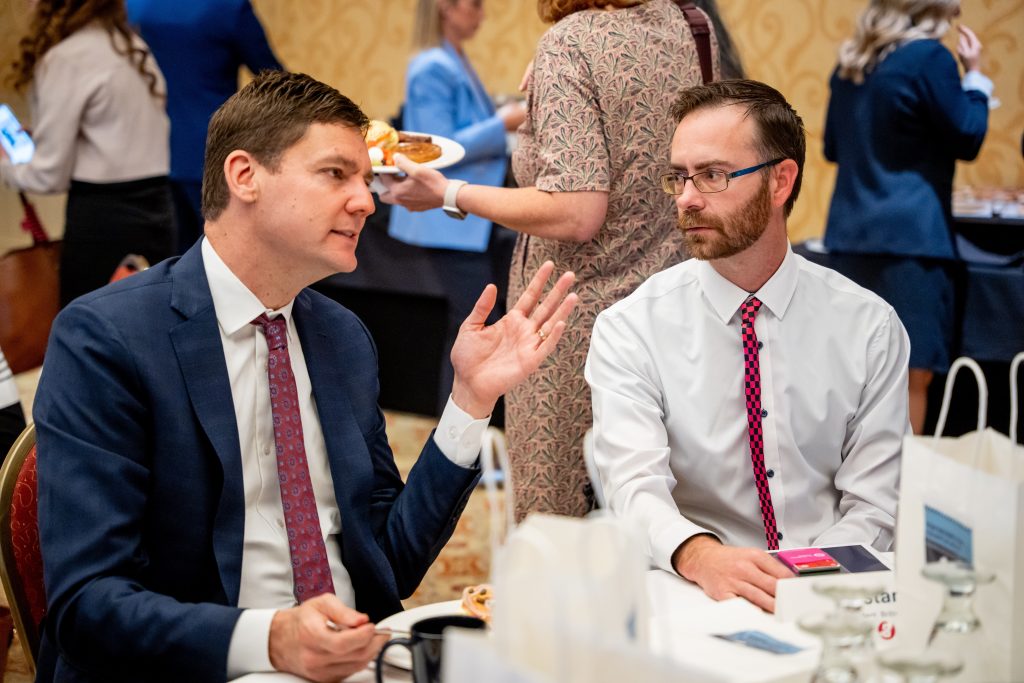
Left: Canadian Health Coalition Chairperson Jason MacLean speaks to Nova Scotia Premier Tim Houston (Photo: Charlie Crabbe/NUPGE). Right: British Columbia Premier David Eby speaks with Canadian Health Coalition Secretary Tristan Newby.
Canadian Health Coalition staff and board members attended a shadow summit and rally outside the annual meeting of premiers, known as the Council of the Federation, in Huntsville, Ontario, this week. We used every opportunity to press for the expansion of pharmacare to include millions more Canadians.
I spoke personally with Premier Holt at a meeting organized by the Canadian Federation of Nurses Unions on Tuesday morning. Holt said she hopes to have more to announce very soon.
Other leaders said they were satisfied with their pharmacare agreements, which will come into effect in 2026.
Manitoba Premier Wab Kinew told me, “It is a good deal” for his province. Manitoba was the first to join pharmacare on February 27, 2025 with an agreement worth $219 million over four years. In a statement, the government said this will support the reproductive freedom of nearly 350,000 Manitobans and make sure that over 149,000 Manitobans with diabetes can access essential medications to reduce their risk of serious health complications and improve their quality of life.
“It’s a good deal.”
Manitoba Premier Wab Kinew
British Columbia Premier David Eby echoed Kinew, saying his province was tracking the impact on the health of his province’s residents. British Columbia signed a $670-million pharmacare agreement on March 6, 2025. According to a media release, this will support the reproductive freedom of more than 1.3 million British Columbians and ensure that nearly 550,000 British Columbians with diabetes can access essential medications – reducing their risk of serious health complications and improving their quality of life.
Most provinces are refusing hundreds of millions in federal pharmacare funding
Provinces and territories that have not joined the new national universal pharmacare program are missing out on hundreds of millions of dollars in potential federal funding for cash-strapped public health care services, according to the CCPA study published last week.
Current agreements cover nearly 7.5 million people with free contraceptives and diabetes treatments, and other medications. The remaining nine provinces and territories without agreements are passing up valuable federal health care funding.
Four out of five Canadians are missing out on pharmacare program’s benefits
With so few jurisdictions enrolled in pharmacare, four out of five Canadians are not benefiting from the program. The gap is leaving a patchwork of coverage across the country.
Based on a per capita estimate, Nova Scotia would receive $171 million, and Ontario would receive an estimated $2.5 billion over four years if they signed bilateral pharmacare agreements with the federal government.
Table: Real and estimated value of pharmacare bilateral agreements by province or territory
“Canadians like to see our politicians co-operating on issues of national concern, and that extends to health care,” I told the Canadian Press in advance of the high-level meetings. “So we’re looking to see this spirit of collaboration.”